October 7, 2026
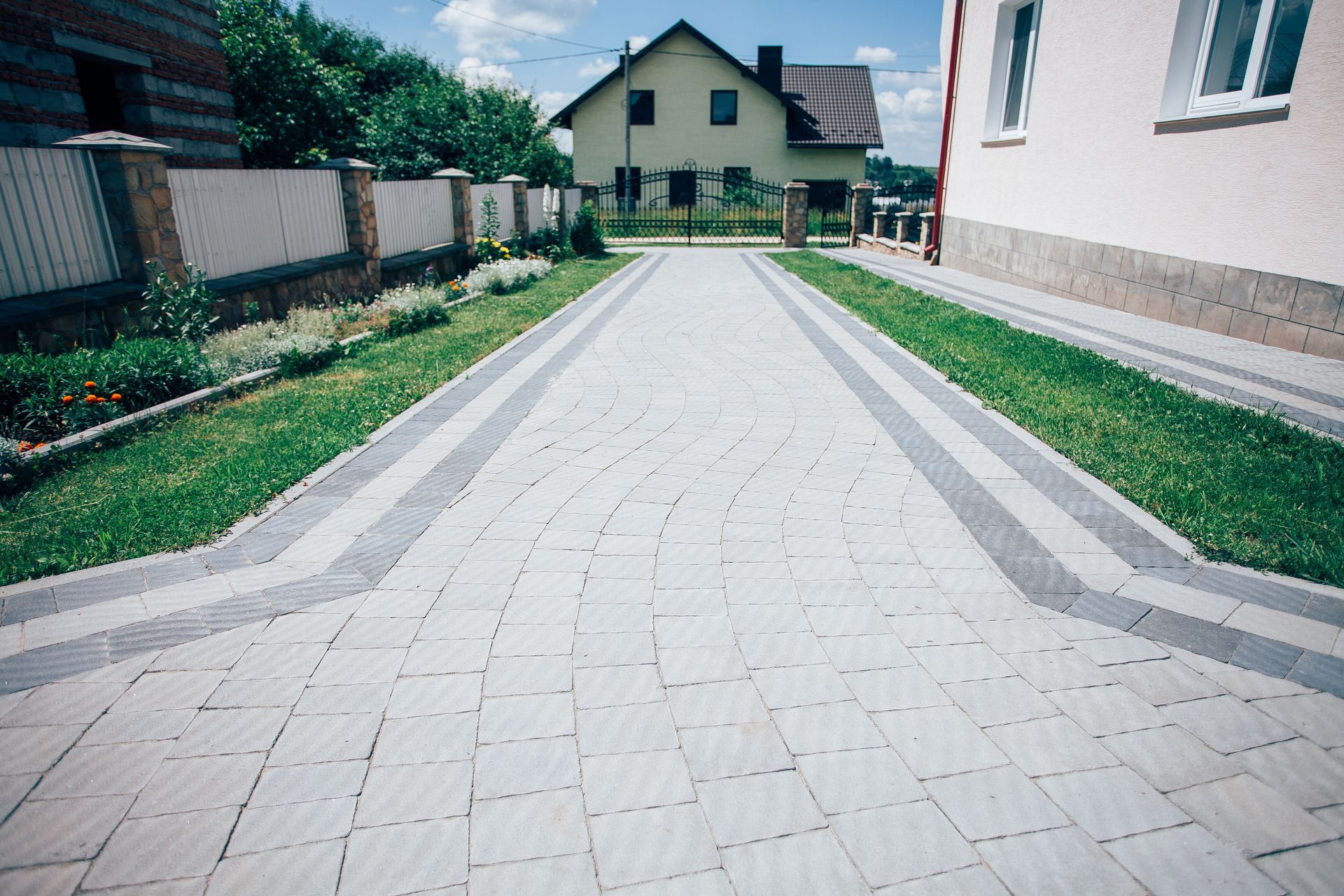
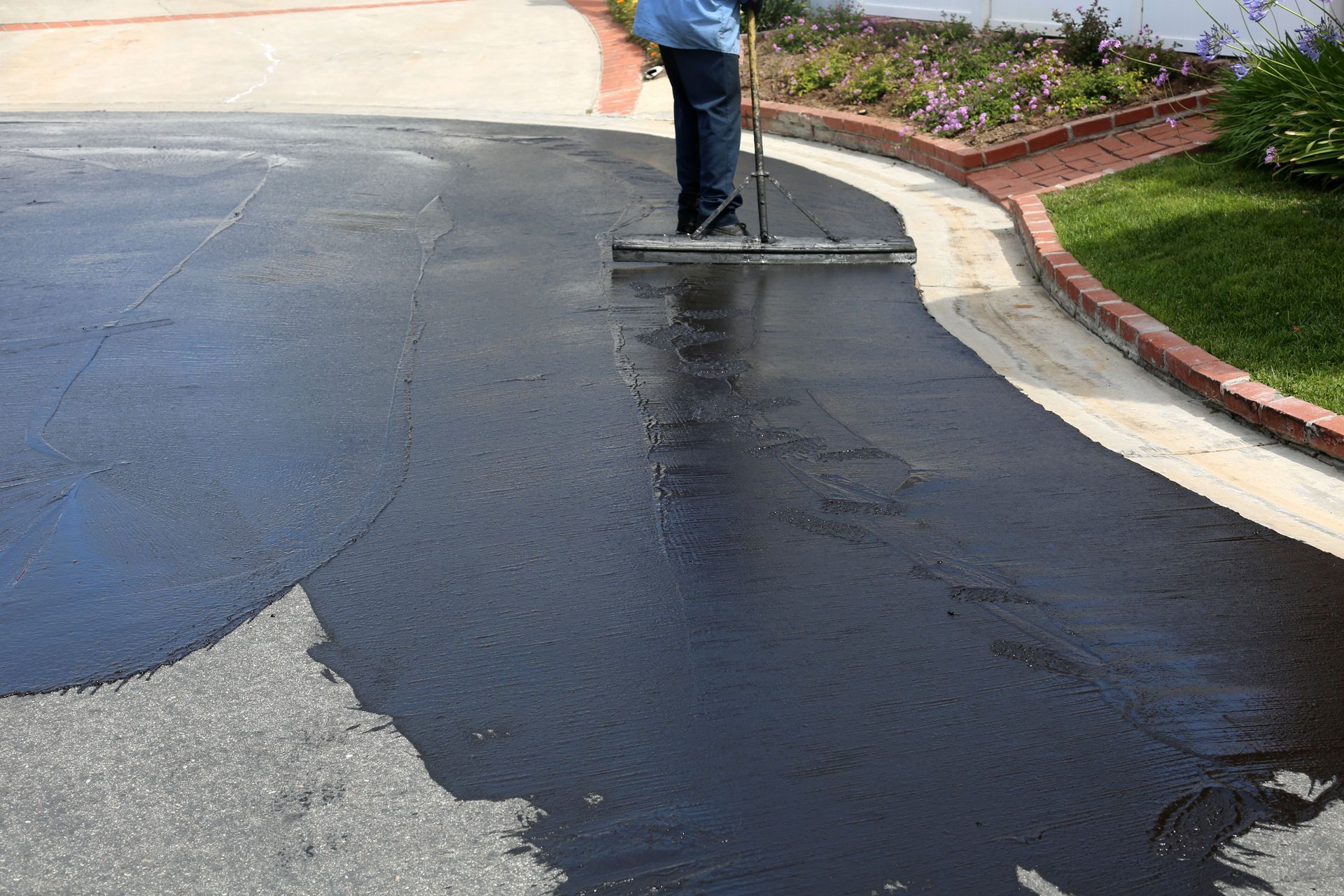
Interlocking pavers are widely considered one of the most durable and visually striking choices for residential driveways, walkways, and patios. Constructed from high-density concrete, natural stone, or clay, individual paver units are designed to withstand heavy vehicle loads while offering flexibility during natural soil movement. Despite their inherent strength, exposed paver installations face continuous environmental decay from rain, ultraviolet radiation, seasonal freeze-thaw cycles, and automotive fluid spills. Without a protective surface barrier, moisture penetrates porous concrete materials, joint sand washes away, and weeds take root across interlocking seams. According to Home Advisor, a typical paver driveway boasts a lifespan of 30 to 50 years. Investing in routine driveway paver sealing protects your hardscape infrastructure, ensuring that your home's outdoor surfaces achieve their maximum potential operational lifespan without requiring prematurely expensive total surface replacements. Proactive maintenance preserves both structural integrity and property value. Establishing a routine care schedule eliminates structural vulnerabilities before moisture and friction cause permanent harm.
Shielding Porous Hardscape Materials Against Moisture Infiltration
Concrete and natural stone pavers feature microscopic surface pores that naturally absorb moisture from rainfall, melting snow, and atmospheric humidity. During winter months, trapped water inside unsealed pavers freezes, expands, and exerts internal hydraulic pressure against surrounding concrete aggregates. This continuous freeze-thaw expansion cycle leads to surface spalling, micro-cracking, and crumbling surface textures that permanently disfigure driveways. Professional application of high-grade acrylic or silicone sealants creates a hydrophobic surface barrier that repels liquid water, preventing deep moisture absorption entirely. Arranging regular driveway paver sealing prevents sub-surface water intrusion, safeguarding individual paver units against winter frost heave and interior aggregate structural degradation. Preventing deep moisture penetration preserves structural density, maintaining a solid, level driving surface across all four seasons. Consistent water repellency ensures your driveway retains its structural strength year after year.
Locking Joint Sand in Place to Eliminate Weed and Insect Intrusions
The structural stability of an interlocking paver system relies heavily on the joint sand packed tightly between neighboring stone blocks. Joint sand distributes lateral vehicle loads across the entire driveway grid while allowing individual pavers to flex without cracking under pressure. Unsealed joint sand washes away during heavy rainstorms or routine pressure washing, leaving empty channels that collect airborne seeds, soil, and moisture. Empty joints invite aggressive weed growth, moss colonies, and ant infestations that displace remaining sand and push pavers out of alignment. Utilizing joint-stabilizing compounds during driveway paver sealing hardens joint sand into a flexible, rubberized glue that resists water erosion and wind displacement. Stabilized joints lock pavers firmly in place, completely blocking weed root systems and pest burrowing activities.
Inhibiting Color Fading and Degradation from Continuous UV Exposure
Direct exposure to solar ultraviolet radiation causes severe chemical degradation across colored concrete pavers over time. UV rays break down synthetic color pigments, turning vibrant terracotta, charcoal, and earth-toned driveways into dull, washed-out grey surfaces. In addition to aesthetic fading, solar radiation oxidizes concrete binder materials, causing surface chalking and exposing underlying stone aggregates to physical erosion. Modern, commercial-grade sealants incorporate advanced ultraviolet inhibitors that act like sunscreen for your hardscape surfaces. Applying specialized driveway paver sealing products blocks destructive solar wavelengths, locking in rich factory color tones and maintaining pristine curb appeal. Preserving rich color vibrancy ensures that your home retains its architectural beauty and property value across decades of sunlight exposure. UV-resistant barriers ensure that bright earth tones remain vibrant regardless of daily sun exposure.
Preventing Permanent Stains from Automotive Fluids and Debris
Driveways routinely endure heavy exposure to automotive fluids, including engine oil, transmission fluid, radiator coolant, and brake fluids. Because unsealed concrete and natural stone are highly absorbent, spilled petroleum products soak deep into internal pores within minutes, leaving dark, unsightly stains that resist standard pressure washing. Furthermore, organic debris like fallen autumn leaves, tree sap, berries, and bird droppings release natural tannins that penetrate unsealed pavers, creating stubborn discoloration. Professional driveway paver sealing seals open surface pores, creating an oil-resistant and chemical-resistant top barrier. Liquid spills bead up on sealed surfaces rather than soaking in, allowing homeowners to wipe away fresh motor oil or rinse tree tannins with simple soap and water.
Halting Surface Efflorescence and White Salt Crust Formations
Efflorescence is a common, frustrating visual defect that appears as a chalky white powder across the surface of concrete pavers. This phenomenon occurs when water migrates through internal concrete pores, dissolving soluble mineral salts like calcium hydroxide within the concrete mixture. As water evaporates at the surface, it leaves behind crusty, crystalline salt deposits that disfigure dark driveway patterns. Left untreated, surface salt crystals chemically react with carbon dioxide in the air, transforming into insoluble calcium carbonate that requires harsh acid washing to remove. Scheduling a professional driveway paver sealing service encapsulates internal salts within the concrete matrix by stopping the water migration process entirely. Stopping salt migration prevents ugly white crusts from forming, keeping hardscapes clean and uniform. Controlling internal moisture migration prevents stubborn salt crusts from ruining intricate paver patterns.
Mitigating Deicing Salt Corrosion and Chemical Abrasion
Winter weather management often introduces harsh chemical deicers and rock salts onto residential driveways, which rapidly attack unsealed concrete surfaces. Sodium chloride, calcium chloride, and magnesium chloride lower the freezing point of water, creating standing chemical brine that penetrates deep into bare paver pores. As this chemical brine crystallizes, it exerts intense sub-surface pressure that scales, pits, and dissolves the outer layer of concrete aggregates. Professional driveway paver sealing provides an impenetrable chemical-resistant barrier that stops corrosive winter salts from interacting with delicate stone binders. Protecting hardscape surfaces from chemical abrasion ensures that winter ice management does not leave your driveway pitted, rough, or structurally weakened by springtime.
Enhancing Surface Appearance with Custom Aesthetic Finish Options
Professional hardscape sealants do more than just protect structural materials; they allow homeowners to customize the final visual appearance of their outdoor living spaces. Sealants are available in various sheen levels, ranging from natural matte finishes that preserve raw stone textures to high-gloss wet-look sealers that amplify deep color tones. Wet-look sealants enhance natural slate and multi-tone concrete pavers, giving driveways a rich, saturated appearance similar to freshly washed stone. Additionally, micro-aggregate grip additives can be mixed into gloss sealers to provide non-slip traction across sloped driveways during wet weather. Consulting with specialists in driveway paver sealing helps property owners choose the ideal balance of sheen enhancement, color saturation, and slip resistance for their specific architecture.
Maintaining an unsealed paver driveway requires continuous manual labor, including frequent pressure washing, aggressive scrubbing with harsh chemicals, and constant weed removal along joint lines. Over time, high-pressure water washing erodes the top layer of concrete, exposing rough aggregate and accelerating future dirt accumulation. Sealed pavers create a smooth, protective layer that resists dirt accumulation, mold spores, and grime adhesion. Routine maintenance for a sealed driveway requires nothing more than gentle sweeping and an occasional rinse with a standard garden hose. Establishing a routine driveway paver sealing schedule every three to five years significantly reduces ongoing maintenance labor, protecting your hardscape investment while freeing up your weekends. Lowering your annual cleaning demands makes ongoing outdoor home upkeep effortless and affordable. Contact Paver Shield Solutions today to schedule your professional driveway evaluation and safeguard your hardscape investment for years to come.